
Introduction
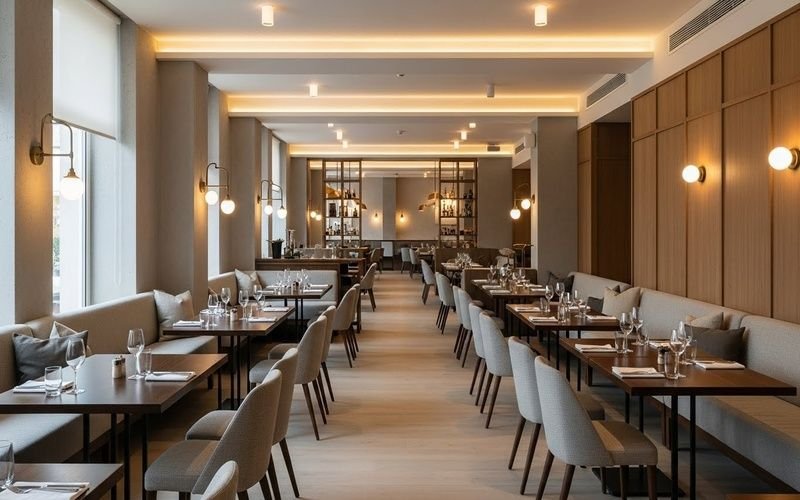
When someone is planning a restaurant, the attention goes to the menu and the cuisine, but when someone opens the door of the restaurant, it is the interior which decides quietly for how long people will stay. It is also the interior which makes them feel comfortable and people decide whether they will come back or not. This is where a smart and stylish restaurant interior architect plays an important role.
A restaurant interior is not just about looks. It is a working environment for staff and an experience for customers. When both sides are planned carefully, the restaurant starts to feel effortless. When they are not, even great food struggles to shine.
Why Restaurant Interiors Need Smarter Thinking Today
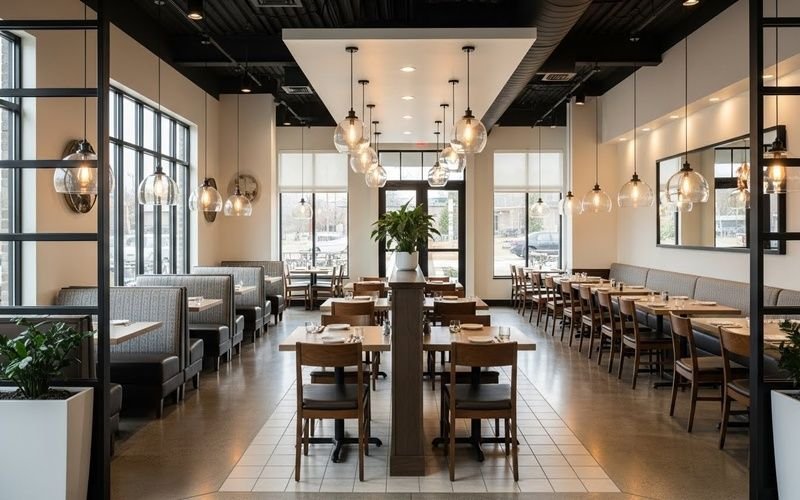
Restaurants today work under real pressure because of the following reasons
- Space is limited.
- Customer expectations are high.
- Competition is strong.
Because of all these reasons we can not ignore the interior and treat it as decoration which is added at the end.
The focus of restaurant interior architecture is on:
- How people move through the space
- Where congestion happens
- How seating affects comfort.
Only by smart restaurant layout planning you can avoid:
- Awkward corners
- Crowded entrances
- Confusing circulation.
The smart planning will make the restaurant feel calm even during the busy hours.
What “Smart and Stylish” Actually Means in Practice
Smart design is often invisible. It shows up in small decisions that make daily operations smoother. Stylish design, on the other hand, gives the space character and identity. The real skill is balancing both.
A smart and stylish restaurant interior architect focuses on stylish yet practical interiors. This includes customer flow and seating design that feels natural, not forced. Tables are placed to allow privacy without isolating guests. Walkways are wide enough for service without breaking the dining atmosphere.
Understanding the Role of a Restaurant Interior Architect
An experienced interior architect for restaurants does not start with colors or furniture. The process begins with listening. Understanding the restaurant concept, service style, and target audience is essential.
From there, restaurant interior design services shape the space around real needs. Kitchen and dining area coordination is planned carefully so staff can move efficiently without crossing guest areas unnecessarily. Over time, this improves service speed and reduces stress during peak hours.
Functional Restaurant Interiors Support the Business
Functional restaurant interiors are not restrictive. They are flexible and efficient. Storage, service routes, and seating density are planned together rather than separately.
A commercial restaurant architect understands that poor planning increases operating costs and results in:
- Extra steps.
- Cramped kitchens.
- Poorly placed service stations which slow everything.
Modern Restaurant Interior Design and Atmosphere
Modern restaurant interior design is all about a space that can stay timeless. Restaurants who focus on ambiance use:
- Lighting.
- Materials.
- Proportions to give the attraction which can boost mood.
Good lighting for restaurants is very important because it affects how food will look and for how much time guests will stay. Lighting also makes people feel relaxed. A professional restaurant interior designer uses natural and artificial light both to support different times of day without changing the environment dramatically.
Brand Identity and Custom Design
Every restaurant has a story. Custom restaurant interior design helps tell that story visually. An expert interior designer ensures that the interior supports the restaurant’s personality, no matter if it is casual, elegant, or bold.
Modern materials are chosen for good appearance and durability. This practical approach keeps the space looking good even after months of heavy use.
Planning for the Future, Not Just the Opening Day
Many restaurants struggle because their spaces cannot adapt. Seating needs to change. Delivery and takeaway become part of operations. Technology evolves.
A smart and stylish restaurant interior architect focuses on future-ready restaurant interiors. Any restaurant can develop without expensive renovations if it has:
- Flexible layouts.
- Adaptable seating.
- Scalable service areas.
This planning protects the investment.
Highland Arch Studio’s Approach to Restaurant Interior Architecture
At Highland Arch Studio, restaurant design is approached as a balance between creativity and reality. The team focuses on how a space will actually function once it is busy, loud, and full of people.
Highland Arch Studio also pays attention to dining space design, restaurant zoning and circulation. It will create ease for guests because staff will move comfortably without interfering. The goal is very simple because it creates spaces that feel welcoming and easy to operate.
Highland Arch Studio goes for those designs which suit the restaurant’s concept and audience. This human-centered approach helps create restaurants that feel natural to use, not staged.
Case Study: Designing a Smart and Stylish Restaurant Interior by Highland Arch Studio
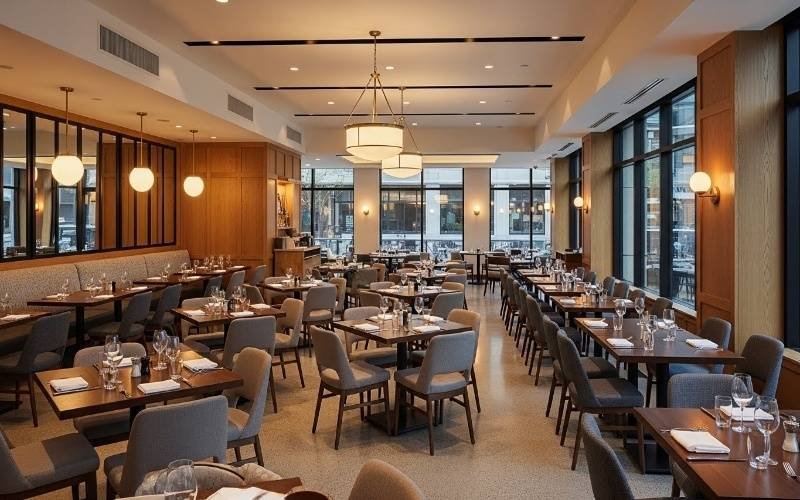
A new project is about making sure the space works on a daily basis. This case study reflects how Highland Arch Studio approaches restaurant interior architecture with a clear focus on real use, not just visual impact.
Project Background
A mid-sized restaurant owner approached Highland Arch Studio with plans to open a contemporary dining space in a busy commercial area. The location was strong, but the interior shell was difficult to work with. The space had limited width, uneven structural columns, and a strict seating capacity requirement to meet business goals.
The client’s main concern was simple but important. They were looking for a restaurant that felt stylish and inviting. It should also be comfortable for guests so that they can stay for longer.
Initial Challenges
During early discussions, several issues became clear:
1. The original layout caused congestion near the entrance and service areas.
2. Seating felt cramped, reducing customer comfort.
3. The kitchen and dining zones overlapped in ways that disrupted service.
4. The lighting was uneven, making some areas feel cold and others too dark.
These problems are common, but if ignored, they affect both customer experience and staff performance over time.
Highland Arch Studio’s Design Approach
Highland Arch Studio began the project by observing how the space would function during peak hours. Instead of rushing into design concepts, the team focused on understanding movement, noise levels, and service patterns.
Restaurant space planning services were used to map out customer flow and seating design. This allowed the team to clearly separate high-traffic zones from quiet dining areas. Kitchen and dining area coordination was also reworked to reduce unnecessary staff movement and improve service speed.
Key Design Decisions
Several thoughtful design decisions shaped the final outcome:
- Smart layout planning
Seating was arranged to maximize capacity without compromising personal space
- Clear zoning
Dining, service, and waiting areas were made clear so that movement can be made easy.
- Lighting design
Warm, layered lighting was used to enhance ambiance.
- Material selection
Modern materials and finishes were chosen for durability.
- Flexible seating
They arrange tables for different group sizes.
The Result
Once the restaurant became operational guests moved comfortably through the space without crowding. Staff reported smoother service and less physical strain during busy hours.
The interior felt balanced and visually appealing. Most importantly, customers stayed longer and returned more often.
Final Reflection
A smart and stylish restaurant interior is not about dramatic statements. It is about thoughtful planning, quiet efficiency, and comfort that guests feel without noticing the design itself.
This case study shows how Highland Arch Studio creates restaurant spaces that work in real life spaces that serve both the business and the people who use them every day.
Conclusion
A successful restaurant interior does not compete with the food. It supports it. That is the real value of working with a smart and stylish restaurant interior architect.
When design decisions are made with people, movement, and comfort in mind, customers notice:
- Ease
- Atmosphere
- Overall experience.
Although they don’t explain it, it affects the overall quality of the restaurant and people enjoy the place and come again and again.
If you are planning to build a restaurant then contact Highland Arch Studio for having the excellent services.
FAQs
A restaurant interior architect plans how the entire space will work. This includes:
1. Eating layout.
2. Customer movement.
3. Kitchen coordination.
4. Lighting, and comfort.
A restaurant interior architect focuses on:
1. Function
2. Flow.
3. Technical planning.
While interior designers concentrate on:
1. Finishes and decor.
Layout planning is very important because with smart layout planning staff move efficiently. It also allows guests to enjoy their meals without feeling disturbed.
Yes, it makes a big difference. A well-planned interior improves comfort, and guests stay for a long time.
Yes, many you can solve different problems through better zoning, lighting adjustments, and smarter furniture placement.