Introduction
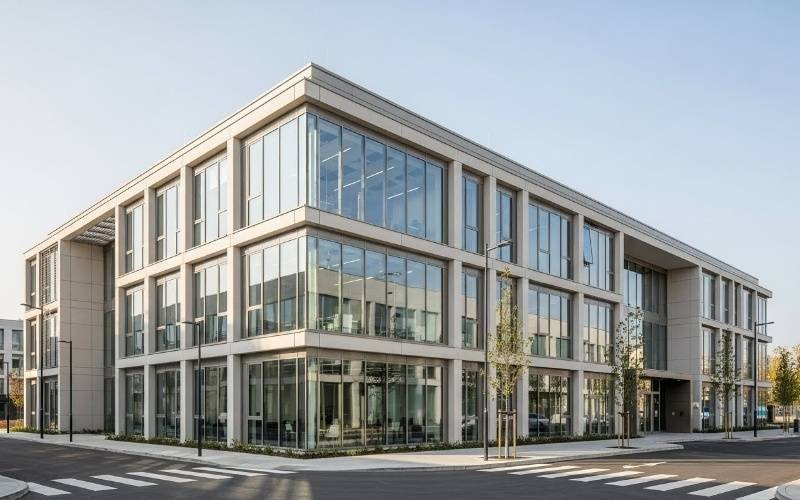
When someone plans an office building, the first thought is often how it will look from the outside. Glass facades and clean lines give a modern feel. Once people start working inside that building then it becomes important that how the space feels, how easily people move, and whether the building actually supports work or not. That is where a smart and functional office building architect becomes essential.
An office building is not just a structure. It is a tool. If it is planned well, it helps people focus, collaborate, and stay comfortable. If it is planned poorly, even the best teams struggle.
Why Office Buildings Need Smarter Planning Today
Offices have changed a lot; they are no longer only closed cabins and long corridors. Office buildings must be flexible and practical because teams collaborate, roles change, and businesses grow or shrink.
A smart and functional office building architect looks at how people actually work. This means knowing and understanding daily routines.
As a result, the office feels organized instead of chaotic.
What “Smart and Functional” Really Means in Office Design
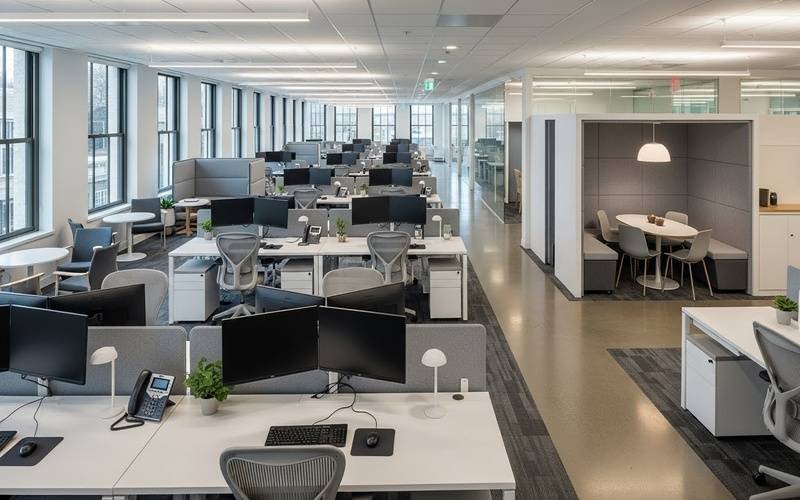
Smart office building design is not about adding complicated systems everywhere,it is about making simple decisions. For example, placing those departments closely who work near each other and reduce unnecessary movements. Planning circulation properly avoids congestion during busy hours.
Functional office architecture also focuses on comfort. Natural light and ventilation in offices are very important because they make a noticeable difference throughout the day.
A modern office building architect balances these elements carefully without demanding attention.
The Role of an Office Building Architect
A professional office architect does much more than design walls and windows. Their real work starts with listening. They ask how many people will work in the building, how teams interact, and what changes might happen in the future.
An experienced office building architect then translates those needs into efficient office layout planning. This includes office circulation and zoning, placement of meeting rooms, and creating employee productivity spaces without wasting square footage.
Because of this approach, the building supports work instead of forcing people to adapt to it.
Office Design Is Different from Other Building Types
Office buildings have their own challenges. Residential architects focus on privacy and comfort of a home. Commercial architects often design for customers and visitors. Offices, however, must serve employees for long working hours every day.
A commercial office architect or workplace design architect understands these differences. They plan spaces that allow focus, encourage teamwork, and still feel calm. This is why choosing a building architect for offices, rather than a general designer, matters so much.
Planning Office Spaces That Adapt Over Time
One of the biggest mistakes in office building design services is planning only for current needs. Businesses evolve. Teams grow. Technology changes. Because of this, flexible office design is no longer optional.
A smart and functional office building architect designs future-ready office buildings by allowing layouts to change without major structural work. Movable partitions, adaptable service zones, scalable systems help any office to stay relevant for many years.
The Importance of Light, Energy, and Comfort
People often underestimate the value of the physical environment and how it affects work quality. When you go for energy-efficient office design, it will reduce running costs and will create more stable indoor conditions. Balanced lighting, controlled heat, and proper airflow improve the comfort of the office space.
Smart workspace solutions focus on these details quietly. When done right, employees feel better, work longer without fatigue, and use the space more effectively.
How Office Space Planning Services Add Real Value
Office space planning services help bring structure to ideas. Instead of guessing how things might work, layouts are tested, adjusted, and refined. Corporate office planning at this stage prevents costly changes later.
By working with engineers, a professional office architect makes sure that structure, services, and interiors support one another. This coordination results in smoother construction and efficient daily operations.
Choosing the Right Professional for Office Projects
Not every architect is suited for office buildings. A modern office building architect must understand business operations as much as design principles. An agency having experience with functional office architecture can only bring good and desired outcomes. Highland Arch Studio is very much experienced in bringing out good results in this regard.
Because we as a team think beyond drawings and focus on how people will use the space.
Case Study: A Smart and Functional Office Building Designed by Highland Arch Studio
Project Background
A growing professional services company approached Highland Arch Studio to design their new office building. Their existing workspace was modern but their daily operations felt inefficient. Employees were having the following problems:
- Struggled with noise
- Meeting rooms were unavailable
- Teams felt disconnected despite staying under one roof.
The client’s goal was clear. They did not want an office that simply looked impressive. They wanted a space that supported real work, encouraged focus, and could grow with the company over time.
The Core Challenge
The main issue was how the space was being used.
The client needed:
- Better coordination between departments.
- Clear separation between focused work areas and collaborative zones.
- Improved circulation to reduce daily movement issues.
- A layout that could adjust as teams expanded.
Highland Arch Studio’s Approach
Highland Arch Studio began the project with in-depth discussions rather than rushing into drawings. Understanding how people worked was treated as the most important design step.
Through careful office space planning services, the team studied:
- Daily workflows and team interactions.
- Peak usage times for meeting rooms and shared spaces.
- Areas where noise and congestion caused problems.
Based on this, Highland Arch Studio developed a clear strategy focused on efficient office layout planning and logical zoning.
Key Design Decisions
Instead of following trends, the design focused on function and comfort.
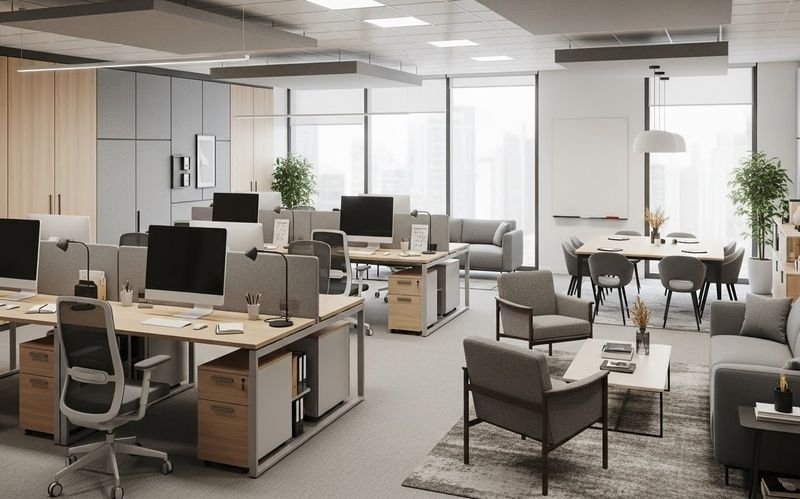
1. Employee productivity spaces were placed away from high-traffic zones.
2. Collaboration areas were centrally located for easy access.
3. Office circulation and zoning were planned to feel natural, not forced.
4. Flexible office design allowed departments to expand without disruption.
Natural light and ventilation in offices were prioritized by positioning workspaces along daylight-rich zones. This reduced dependence on artificial lighting and improved overall comfort.
Energy-efficient office design principles were integrated quietly, without adding unnecessary complexity.
The Result
After the completion of the building, it became operational and the employees experienced:
- Fewer distractions
- Smoother communication
- Better access to shared spaces.
- The office felt calmer and more organized.
The client described the building as “easy to work in,” which reflected Highland Arch Studio’s goal to create office spaces that support people without drawing attention to the design itself.
Why This Project Reflects Highland Arch Studio’s Philosophy
This project highlights how Highland Arch Studio approaches office architecture. The focus is never only on appearance. Instead we focus on how the particular office will function in the real life situation.
Highland Arch Studio delivered an office building having:
- Functional office architecture.
- Thoughtful planning.
- Practical execution.
With all these key points office building performed well after completion.
Conclusion
A well-designed office quietly supports work, comfort, and growth every single day. That is the real value of working with a smart and functional office building architect.
Good office buildings are not just built to stand. They are built to work. And when design decisions are made with people in mind, the difference is felt long after construction is finished. Choosing the right architect like Highland Arch Studio makes a lasting difference in how an office performs over time.
FAQs
The function of a smart office architect includes planning layouts, circulation, light, and flexibility so the space supports daily operations not slowing it down.
Offices are used for long hours and require balance between focus, collaboration, and comfort. Unlike homes which focus on ventilation and privacy. offices should design in a way to reduce mental or physical fatigue.
Yes, because when movement paths are clear, noise is controlled, and workspaces receive natural light, people stay focused and it results in higher productivity.
Yes. when you go for flexible office design. It allows departments to expand, layouts to shift, and systems to scale without major construction changes. So office buildings can be adapted for future growth.
Cost saving is a benefit, but comfort is also very important. Stable indoor temperatures and balanced lighting directly affect how people perform during work hours.